Southern Europe rewards travellers who pick a lane and commit to it. The region runs from Portugal and Spain through the western Mediterranean, across Italy and Malta to Greece and the Balkans, and it contains at least four genuinely different kinds of holiday: the big-city art trip, the island beach stay, the off-season food and walking trip, and the long slow road trip through the interior. Almost every mistake people make here comes from trying to combine two of those in one trip without admitting that the logistics of each pull in opposite directions. Summer is high season everywhere on the coast and inland cities are hotter and busier than the guidebooks suggest; May, June, September and October give you most of the weather with a fraction of the crowding, at the cost of some ferries and rural restaurants not running yet or any more.
When to go, and what the calendar actually costs you
Go in the shoulder months unless your trip is built around swimming, in which case go in late June or September and accept that the sea will be warm rather than bath-like at the edges. The Mediterranean coast has a reliable pattern: August is the month locals take their own holidays, which means both the highest prices and the highest chance that the family-run place you wanted is shut. Late July and the whole of August are when Italian and Spanish coastal towns fill with domestic visitors, when beaches are zoned and charged for, and when a rental car booked late costs materially more than the same car in October.
The reason the shoulder works is not just weather. Transport schedules in southern Europe are seasonal in a way northern European travellers rarely expect. Island ferries in Greece multiply in July and August and thin out sharply in winter, with some inter-island routes running a few times a week or not at all between November and March. Rural bus services in Spain, Portugal and Italy are designed around school and work patterns, not tourists, and a route that runs daily in summer can drop to twice weekly. If your itinerary depends on a specific boat or bus, check the operator's own timetable for your exact dates rather than a booking aggregator, which often shows only the summer pattern.
Inland cities invert the coastal logic. Seville, Granada, Rome and Athens are at their worst in July and August: temperatures high enough that the sensible day is split into a morning and an evening shift with a long indoor middle, and queues at the major sites at their longest. The same cities in April or October are close to ideal. The trade-off is rain — autumn in particular can deliver a week of it in the wrong place, and the further west you go toward Portugal and the Atlantic edge of Spain, the more that risk rises.
Malta is the useful exception to the seasonal rule because its season is longer and its product is more urban. Tourist expenditure there reached €3.3 billion in January–December 2024, up from €2.7 billion in 2023, and average spend per night was €115.5 in December 2024 — a figure that tells you the island keeps a substantial visitor economy running outside high summer. For the first eight months of 2024, spend per night was €141, against the same period in 2023, and expenditure per capita across January–December 2024 was €924 per tourist. Read those together and the picture is a destination with a real winter and shoulder trade, not a beach resort that closes.
City trips: how to structure three or four days so the art doesn't blur
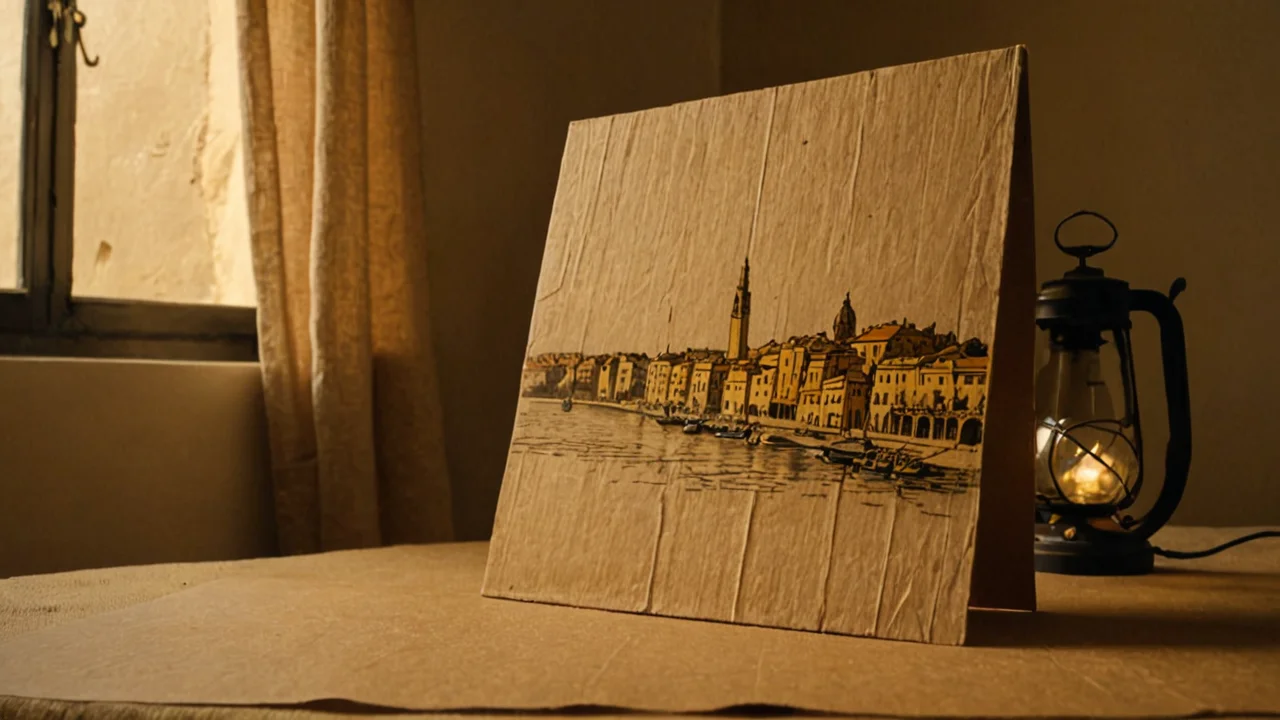
Book one major museum or site per day and one neighbourhood per afternoon, and resist the urge to see everything in a city that has more than you can absorb. The failure mode in Florence, Rome, Madrid or Athens is the same: four days of churches and galleries with no downtime, and by day three nothing registers. Two anchor visits a day is the sustainable maximum, and one of them should be outdoors.
Reserve the single most contested site in each city in advance and leave the rest loose. Tickets for the Uffizi, the Vatican Museums, the Alhambra, the Acropolis and the Sagrada Família sell out on fixed timed slots, and turning up hoping for a cancellation wastes a morning. Everything else — most parish churches, most civic museums, most archaeological sites outside the headline one — can be done on the day. The cost of pre-booking is flexibility; you are committing to a time before you know how the trip is going. The cost of not pre-booking is the possibility of missing the one thing you came for.
Stay central and walk. Southern European city centres are compact and the metro or bus usually saves less time than it appears to, because the walks between stations eat the gain. A hotel inside the historic core costs more per night than one on the ring road, but it buys back an hour or more a day in transit and lets you eat dinner where you're staying rather than commuting back. In heat, that matters more than the price difference.
Eat on local time. Lunch in Spain is late and dinner later still; restaurants that serve dinner at six in the evening in Madrid or Seville are cooking for tourists and the food shows it. In Italy, a bar charges less if you stand at the counter than if you sit at a table, and this is not a trick aimed at visitors — it's how the pricing works for everyone. Knowing the two or three unwritten rules of the place you're in is worth more than any list of recommended restaurants.
Island and coastal stays: choosing the right island, and the ferry trap
Pick one island group per trip, not three. The Greek Cyclades, the Ionian islands, Sardinia, Sicily, Corsica and the Balearics each have internally consistent ferry networks and wildly inconsistent connections between groups. Island-hopping across the Aegean in a week sounds romantic and turns into a sequence of port transfers; the same week spent on two neighbouring islands with one ferry between them is a holiday.
The ferry trap is the return leg. People book an island for the end of the trip and then discover that the boat back to the mainland, or to the airport island, runs once a day and fills in August. Build the buffer at the mainland end, not the island end: come back a full day before your flight, and treat the last night near the airport as part of the trip rather than a waste of it. Fast ferries cost more, are more prone to cancellation in wind, and the difference between fast and conventional is often less than an hour on short routes.
On the coast, the choice is between a resort town and a town that happens to be on the coast. Resort towns — purpose-built strips in Spain, the Algarve and parts of Sicily — deliver convenience, English menus and a beach out the front door, and cost you the sense of being anywhere in particular. Working coastal towns give you a market, a winter population and food that isn't priced for visitors, at the cost of a walk or a drive to the sand and a much thinner restaurant scene outside July and August.
Malta sits awkwardly between the two categories, which is part of why it's interesting. It is a country with a dense urban fabric, a language of its own — Maltese is the national language under Article 5 of the Constitution, with Maltese and English as official languages for administration — and a tourism economy measured in nights and per-capita spend rather than in beach beds. Its statistics office defines an inbound tourist as a visitor staying at least one night for holiday, business or other personal purposes, which is a reminder that a good share of the island's visitors are not on a beach holiday at all. If you want a pure sand-and-sea week, Malta is the wrong island; if you want a short break with a city, a coast and a lot of history within a small radius, it's hard to beat.
Money, bookings and the order in which to spend your planning time
Book in this order: flights, then the fixed-date anchor (a ferry, a museum slot, a specific hotel), then everything else. Flights set your dates and your arrival airport, and arrival airport is the decision people most often regret, because a cheap flight into a secondary city can add a long transfer at the start and end of the trip. Paying more for the right airport is frequently the better trade.
Accommodation next, and specifically the location rather than the room. In southern Europe the single biggest determinant of how a trip feels is whether you can walk out of the door into the place you came to see. A modest room in the old town beats a good room on the outskirts in every city on this list. Book the coastal properties early — the good small hotels on the Spanish, Italian and Greek coasts are small, and the best ones fill months ahead for July and August — but don't panic-book inland city hotels, where supply is deep and last-minute rates are often better.
Cars only where the car is the point. A car is close to essential for the interior of Spain, Portugal, Sicily and Sardinia, and for rural Greece away from the islands. It is a liability in every historic city centre, where restricted traffic zones generate fines that arrive months later, and on the islands, where a scooter or a bus does the job. If you're mixing city and country, pick the car up on the day you leave the city and drop it before you return to one. Automatic transmission costs more in southern Europe than you may be used to; if you can drive manual, book manual and save.
Cash still matters in smaller places. Many rural restaurants, taxis and small hotels take cards now, but not all, and the ones that don't are often the ones worth eating at. Carry a modest amount of euro and expect to use it. Tipping norms vary by country and are far less formalised than in the United States: rounding up or leaving small change is normal in most of Italy, Spain and Portugal, and overtipping isn't offensive so much as slightly puzzling.
On cost, the honest summary is that southern Europe is cheaper than northern Europe on food, wine and public transport, and roughly comparable on accommodation in the high season. The savings come from eating where locals eat, travelling in the shoulder, and using trains and buses rather than taxis. The costs that surprise people are beach clubs and sunbed rental on the Spanish and Italian coasts, entrance fees at major sites, and airport transfers where no train exists.
Language, etiquette and the small things that change how you're treated
Learn ten phrases and use them in the local language, not English, even when the reply comes back in English. This is not about fluency. It's about the difference between being served and being tolerated, and in smaller towns in Spain, Italy, Portugal and Greece it visibly changes the temperature of an interaction. Spanish and Italian are phonetically forgiving for English speakers; Greek and Maltese less so, which makes the effort more conspicuous and more appreciated.
Malta is the case where the language question has an official answer and a practical one. Maltese and English are both official languages, the Administration may use either for official purposes, and citizens may address it in any official language and get a reply in that language. In practice English works everywhere on the island, which means visitors who make the effort with Maltese are doing it for social reasons rather than necessity — and it lands well, because the language is a genuine marker of national identity rather than a convenience.
Opening hours are the etiquette issue nobody warns you about. Shops in Italy, Spain, Portugal and southern France close for a long lunch, and small businesses may shut for a half-day midweek that isn't obvious from the sign on the door. Plan shopping for the morning. Restaurants that look shut at seven in the evening are shut — they open later. Sunday is quiet in much of the region, with supermarkets and pharmacies the main exceptions, and public holidays close almost everything, including some museums.
Dress for churches. Shoulders and knees covered is the working rule across Italy, Spain, Greece and Malta, and the major sites enforce it at the door. A light scarf in a bag solves it in seconds and saves a wasted trip across a city. Photography rules vary and are enforced unevenly; where a sign says no photographs, it usually means it, and the guards at the big sites are not negotiating.
Driving culture is the other adjustment. Southern European driving is assertive rather than aggressive, and the rules of the road are applied with more flexibility than the signage suggests. Roundabouts, scooter filtering and parking on pavements are all regional dialects. Drive defensively, don't expect to be waved through, and treat a car horn as information rather than an insult.
How to combine countries without wasting the trip
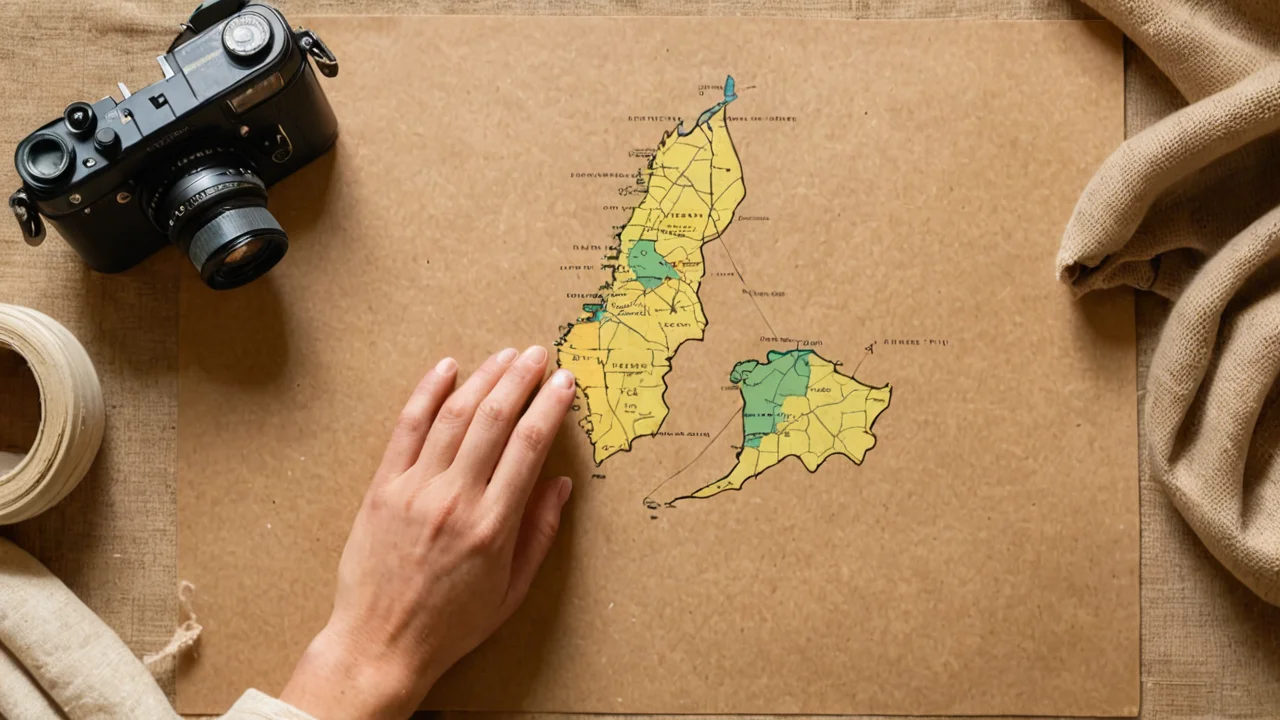
Two countries per trip is the ceiling, and one country plus one island is usually better. The rail network is the reason: high-speed lines connect Portugal to Spain, Spain to France, and Italy to France and beyond, but the connections between the eastern and western Mediterranean are slow, indirect or require a flight. Trying to see Lisbon, Barcelona, Rome and Athens in two weeks means four flights and no time in any of them.
The good combinations are geographic. Portugal with western Spain — Lisbon, Porto, the Alentejo, Seville and Madrid — works by train and bus with a car for the rural middle. Italy with Malta is a short flight and a genuine change of register. Greece with southern Italy is a ferry across the Ionian in season, and a long way round out of it. Sicily pairs with Malta and with southern Italy, not with Greece.
Build the trip so the most demanding part comes first. Long transfers, big cities and early starts are easier when you arrive fresh, and the last days of a trip are better spent somewhere you can walk slowly and eat well. The reverse — a beach week followed by four cities in five days — is how people come home needing a holiday, and it's the most common structural mistake in itineraries across the whole region. The constraint that makes this matter is transport: the further you are from a hub, the more a single missed connection costs you, so put the fragile legs early where there's slack to recover and keep the final two days simple.